The Effects of Credit Card Debt on Financial Health: How to Avoid Traps

Understanding the Impacts of Credit Card Debt
Credit card debt is a pervasive financial challenge in the United States, with approximately 40% of American households carrying a balance on their credit cards. Recent data indicates that the average credit card debt per individual exceeds $6,000, highlighting the magnitude of this issue and the subsequent strain it places on personal finances. Effectively managing credit card debt is essential for ensuring long-term financial health, as this type of debt can have profound consequences on various aspects of an individual’s financial landscape.
Key Effects of Credit Card Debt
Several critical implications arise from carrying credit card debt, which can significantly impact one’s overall financial well-being:
- High-interest rates: Credit cards typically have interest rates that can soar above 20%. For individuals who only make minimum payments, this can result in substantial amounts paid in interest over time, potentially doubling or tripling the original debt.
- Impact on credit scores: Carrying high balances relative to credit limits can lead to a lower credit utilization ratio, which is a key factor in credit scoring models. This, in turn, can adversely affect future borrowing opportunities, such as loans for homes or vehicles at favorable interest rates.
- Stress and anxiety: The psychological burden of managing large amounts of debt can contribute to significant stress and anxiety. Financial difficulties can hinder mental and physical health, leading to conditions such as depression and sleep disorders.
Strategies for Managing Credit Card Debt
To effectively navigate the complexities of credit card usage and avoid falling into common debt traps, individuals can adopt several strategic practices:
- Create a budget: Establishing a detailed budget empowers individuals to make informed financial decisions. Clear financial goals should guide spending habits, along with sensible limits on credit card usage that align with income and necessary expenditures.
- Pay off balances promptly: Prioritizing the payment of credit card balances in full each month is an effective strategy to avoid accruing interest. This practice not only saves money but also fosters responsible financial behavior.
- Educate yourself: Gaining a thorough understanding of credit card terms, including interest rates, fees, and repayment options, is vital. Resources such as financial literacy programs or online courses can provide valuable insights into responsible borrowing practices.
Conclusion
By proactively managing credit card debt through disciplined spending, timely repayments, and a strong knowledge base, individuals can bolster their financial stability. These efforts not only mitigate the risks associated with excessive borrowing but also foster a healthier financial future. Understanding these elements is indispensable for navigating the American financial landscape successfully.
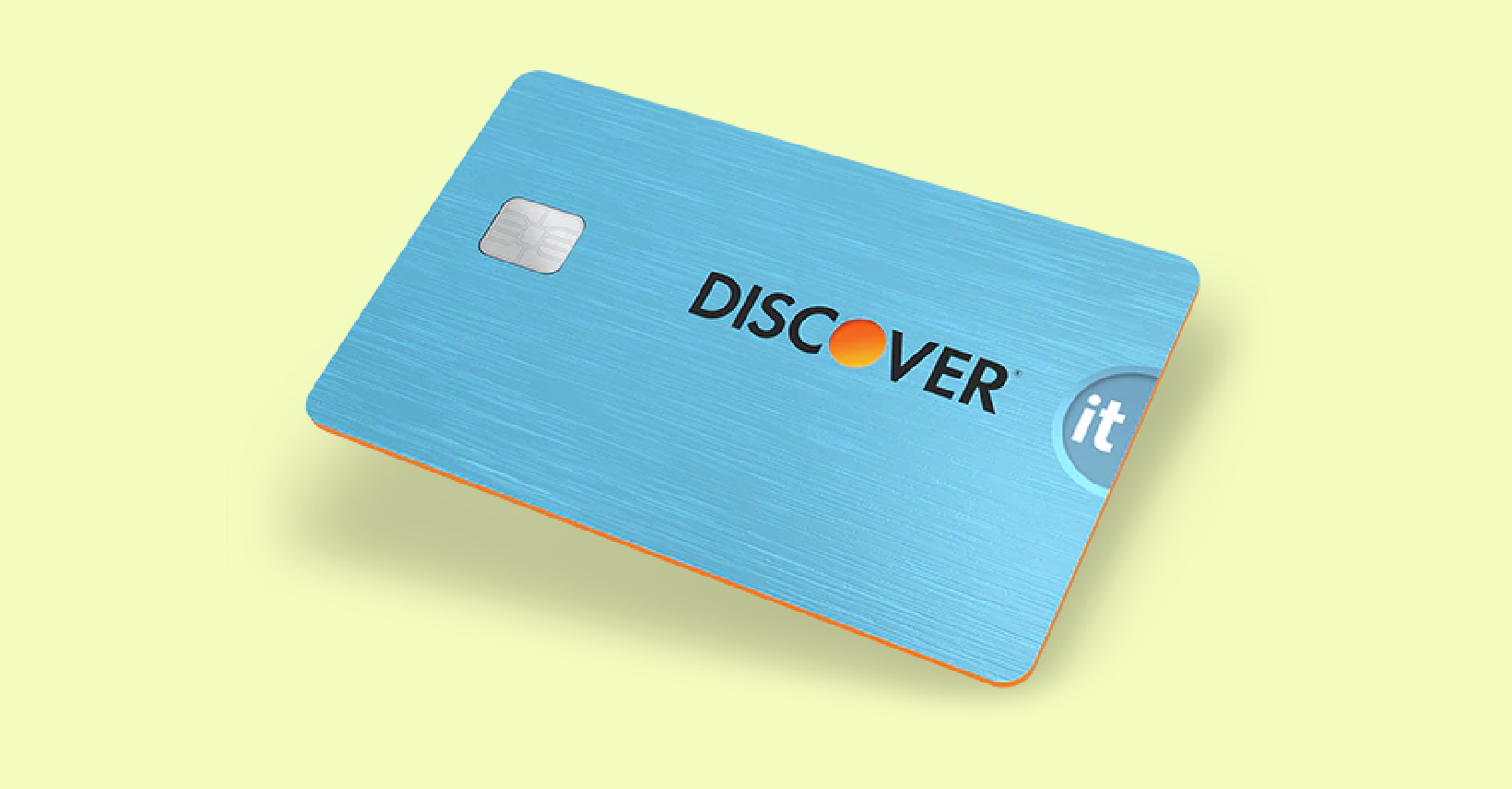
DISCOVER: Click here to learn how to apply
The Financial Consequences of Credit Card Debt
Credit card debt can wreak havoc on an individual’s financial health, influencing everyday decisions and long-term financial stability. One of the most immediate and daunting effects of this type of debt is felt through high interest rates. Credit cards often feature annual percentage rates (APRs) that can escalate beyond 20%, significantly amplifying the financial burden for those who fail to make full payments on their balances. When individuals only pay the minimum required, the interest accrued over time can cause the total debt to spiral, potentially leading to a staggering amount paid in interest—far exceeding the initial borrowed sum.
Beyond the immediate financial implications, carrying credit card debt can adversely impact one’s credit score. Credit utilization—a key factor in determining credit scores—refers to the ratio of total credit card balances to total available credit. Ideally, this ratio should remain below 30% to maintain a healthy score. However, exceeding this guideline can result in a lower credit score, which can subsequently affect the ability to secure loans, mortgages, or additional credit at favorable rates. A good credit score is critical, as it often serves as a determining factor for loan approval and the interest rates associated with future borrowing.
The psychological impacts of credit card debt should not be overlooked. The presence of high debt levels can induce feelings of stress and anxiety, leading to detrimental effects on both mental and physical health. Individuals may find themselves preoccupied with financial worries, which can manifest in issues such as sleep disorders, depression, and decreased overall well-being. As financial obligations loom large, the ability to focus on work and personal relationships can also suffer, creating a vicious cycle where financial stress exacerbates existing challenges.
Recognizing Debt Traps
In order to mitigate the implications of credit card debt, it is vital for individuals to recognize common debt traps and establish strategies for avoidance:
- Ignoring the fine print: Many individuals fail to thoroughly read credit card agreements, which can lead to surprises in the form of hidden fees or punitive interest rates. Understanding the terms and conditions associated with one’s credit card is essential for effective management.
- Maxing out credit limits: Utilizing a significant portion of available credit can damage both credit scores and financial health. To avoid this trap, it is advisable to remain well below credit limits, ideally keeping utilization below 30%.
- Using credit cards for non-essential purchases: Relying on credit cards to fund discretionary spending can lead to overwhelming debt. Prioritizing essential expenses and establishing a clear distinction between needs and wants is a critical practice in maintaining financial health.
By recognizing these traps and remaining vigilant about credit card usage, individuals can better position themselves to maintain their financial health, avoid pitfalls, and work towards a more secure financial future.
DISCOVER MORE: Click here for details on applying
Strategies for Managing and Reducing Credit Card Debt
Effectively managing and reducing credit card debt is essential in safeguarding one’s financial health. With the consequences of high debt levels laid bare, individuals must adopt strategic approaches to regain control over their finances. Below are several engaging tactics that can significantly assist in managing credit card debt:
Establish a Budget
Developing and adhering to a well-structured budget is imperative for effective financial management. A budget allows individuals to track their income and expenses meticulously, highlighting areas where cutbacks can be made. By allocating funds toward credit card payments as a primary expense, individuals can prioritize debt repayment while still managing essential living costs. Utilizing budgeting apps or spreadsheets can make this process more efficient, enabling regular reviews and adjustments as necessary.
Prioritize High-Interest Debts
When managing multiple credit card accounts, it is advisable to focus on paying down the highest interest rate debts first—often referred to as the “avalanche method.” By directing additional payments toward the highest interest card while maintaining minimum payments on others, individuals can reduce the total interest paid over time. Conversely, some may find motivation in the “snowball method,” which involves paying off the smallest debts first to achieve quick wins, thereby bolstering morale. Each approach has its merits, and individuals should choose the one that aligns best with their financial situation and psychological comfort.
Consider Balance Transfers and Consolidation
Exploring balance transfer offers can be a strategic maneuver for individuals looking to lower interest costs. Many credit cards offer promotional interest rates (often 0%) for an initial period on transferred balances. By shifting high-interest debt to a card with a lower rate, individuals can save significantly on interest payments, provided they are prudent in repaying the balance within the promotional timeline. Additionally, debt consolidation loans can be effective, as they consolidate multiple debts into a single loan with a potentially lower interest rate, simplifying repayment efforts.
Utilize Automatic Payments
Setting up automatic payments for credit card minimums or higher amounts can both ensure on-time payments and help avoid late fees. Not only does automation streamline the repayment process, but it also helps individuals adhere to their budget and repayment plan. This approach minimizes the risk of falling into habitual debt due to missed payments, which can further complicate one’s financial landscape.
Seek Professional Guidance
For those individuals who find themselves struggling with overwhelming debt, seeking professional guidance may be beneficial. Financial advisors or credit counseling services can provide tailored insights and actionable strategies, helping individuals navigate their financial challenges. Such professionals can assist in developing a comprehensive debt management plan, suggesting suitable alternatives, and offering educational resources to ensure better financial decision-making in the future.
By implementing these strategic approaches, individuals can work diligently toward managing their credit card debt, allowing them to reclaim their financial health and ultimately improve their long-term economic stability. The importance of proactive debt management cannot be overstated, as it lays the groundwork for a secure financial future free from the burdens of excessive credit card debt.
DISCOVER MORE: Click here for practical tips
Conclusion
In summary, the implications of credit card debt on financial health cannot be overstated. High levels of credit card debt can lead to significant stress, impact credit scores, and limit future financial opportunities. The National Foundation for Credit Counseling found that nearly 60% of Americans report feeling anxious about their financial situations, which is often exacerbated by credit card obligations. To navigate this challenging landscape, individuals must actively engage in strategic debt management practices. By developing a comprehensive budget, individuals can create a clear overview of their income and expenses, allowing for more informed financial decisions.
Moreover, prioritizing the repayment of high-interest debts is crucial. This strategy not only reduces the amount of interest paid over time but also shortens the repayment period, leading to greater financial freedom. For instance, if someone has credit card debt with an annual percentage rate (APR) of 20% and another at 12%, focusing on the 20% debt first can save a significant amount in interest payments. Additionally, considering options such as balance transfers or debt consolidation can help streamline payments and reduce interest rates. Balance transfer credit cards, for instance, often offer introductory 0% APR for a set period, allowing consumers to pay down their principal without accruing additional interest.
Furthermore, utilizing automatic payments fosters consistency in repayment, thereby reducing the likelihood of missed payments, which can adversely affect credit scores. Seeking professional guidance from certified credit counselors can also provide personalized support tailored to individual financial circumstances. They can help create a manageable debt repayment plan, negotiate with creditors, and educate borrowers on financial literacy.
Ultimately, it is imperative for consumers to approach credit with caution and awareness. Understanding the mechanics of credit card debt and its ramifications equips individuals to make informed decisions, allowing them to avoid potential pitfalls. For instance, being aware of the effects that only making minimum payments can have on debt accumulation can prompt borrowers to seek alternatives. By adopting an informed and proactive approach to credit management, individuals can mitigate the risks associated with debt and pave the way for a more secure financial future.
A commitment to disciplined financial habits today can lead to enhanced economic well-being tomorrow. This ensures that credit serves as a tool for opportunity, such as financing education or starting a business, rather than a source of stress. By making informed choices and committing to a solid repayment plan, consumers can harness the power of credit responsibly and sustainably.

Linda Carter
Linda Carter is a writer and financial expert specializing in personal finance and financial planning. With extensive experience helping individuals achieve financial stability and make informed decisions, Linda shares her knowledge on our platform. Her goal is to empower readers with practical advice and strategies for financial success.