
How to avoid plastic waste during international travel
The Environmental Cost of Traveling
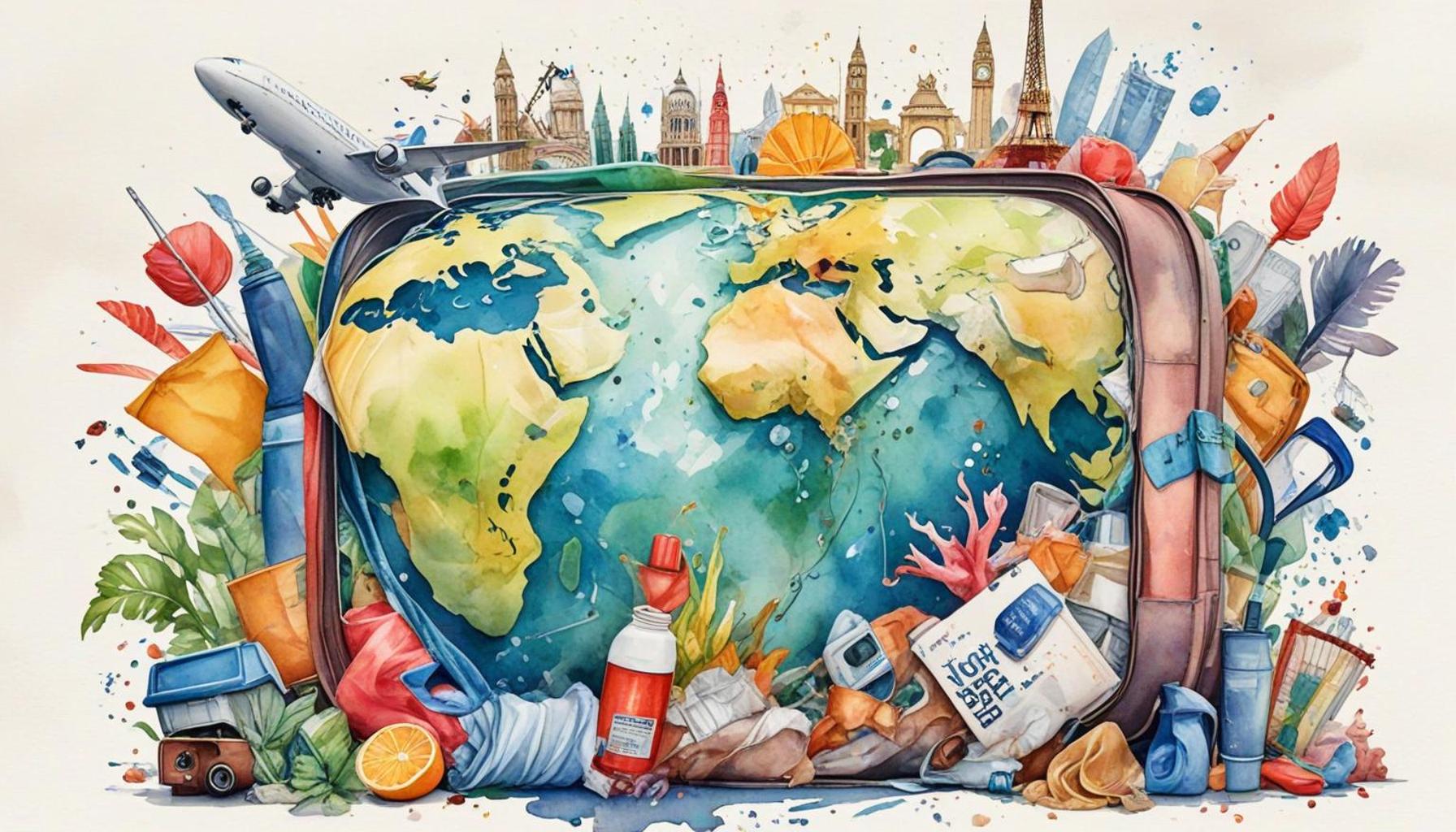
Traveling not only enriches our lives with unique experiences and cultural exchanges, but it also places a considerable burden on the environment, particularly due to the growing issue of plastic waste. As eager explorers jet off to exciting locales, the aftermath of their adventures often leads to a staggering amount of plastic being discarded. The profound impacts of this waste are felt not just locally, but globally, as plastic pollution devastates marine ecosystems and landscapes alike.
The Plastic Problem in the U.S.
In the United States alone, statistics reveal that nearly 300 million tons of plastic are produced annually, with less than 10% being recycled. This means a significant portion ends up in oceans, rivers, and landfills, affecting wildlife and contributing to climate change. For travelers, understanding the ramifications of this plastic waste is essential. When visiting iconic destinations, such as the pristine beaches of Hawaii or the ancient ruins of Machu Picchu, the increased foot traffic can exacerbate the pollution problem.
Ways to Combat Plastic Waste While Traveling
As responsible travelers, we can actively work to mitigate plastic waste by embracing eco-friendly practices. Here are some effective strategies:
- Opt for reusable products: By carrying a refillable water bottle, you can significantly cut down on single-use plastic bottles. Many airports and tourist areas now feature refill stations that make this easy and convenient. Additionally, packing reusable shopping bags can help eliminate the need for plastic bags when purchasing local crafts and goods. Metal straws are perfect for sipping on refreshing beverages without contributing to plastic pollution.
- Choose eco-friendly accommodations: Seek out hotels, hostels, or eco-lodges that prioritize sustainability. For instance, properties that use solar energy, have water conservation measures in place, and minimize plastics through bulk toiletries are worth considering. These choices not only support the environment but often provide travelers with unique local insights and experiences.
- Support local businesses: Eating at local restaurants instead of fast-food chains or processed food outlets can drastically reduce plastic waste. By choosing fresh, locally sourced meals served on reusable tableware, you are not only indulging in authentic culinary experiences but also supporting the community’s economic well-being.
The Ripple Effect of Sustainable Practices
Engaging in these plastic-reducing strategies while traveling can create a ripple effect. When fellow travelers observe your commitment to sustainability, they may feel inspired to adopt similar practices, thus fostering a collective responsibility toward the environment. Every small effort counts and collectively they contribute to a significant impact.
As you gear up for your next adventure, reflect on how your travel habits can embody a commitment to an eco-friendly ethos. This mindful approach not only enhances your personal experiences but plays a critical role in preserving the beauty of the planet for future generations. Embracing sustainability while traveling is not just a trend—it’s an essential responsibility that all travelers should embrace with open arms.
Making Conscious Choices on the Go
When embarking on international travel, the choices we make can significantly impact the environment. With every meal and beverage consumed, we often unintentionally contribute to the ever-growing issue of plastic waste. To combat this, it is essential to practice conscious decision-making during our journeys. Not only does this help reduce plastic pollution, but it also allows for richer interactions with local cultures and communities.
- Prioritize zero-waste dining: Consider spending your mealtimes at restaurants that follow sustainability practices, including using biodegradable packaging or offering dishes served on reusable plates. Many local eateries and food markets offer fresh, organic meals that are often free from excessive packaging. Ask where the food is sourced and support those establishments that embrace environmentally friendly practices.
- Pack smart: Before you even leave for your trip, packing wisely can minimize plastic waste. Opt for travel-sized containers for your toiletries instead of purchasing single-use items on the road. Companies dedicated to sustainability, such as those that produce compostable toothbrushes and biodegradable travel soaps, can help reduce your plastic footprint significantly.
- Be mindful of souvenirs: While it’s tempting to collect trinkets or gifts as keepsakes from your travels, be aware of the materials used in these items. Choose locally made souvenirs that are crafted from natural materials or upcycled goods rather than plastic. Not only do they support local artisans, but they also promote the preservation of traditional crafts and reduce plastic consumption.
Furthermore, it’s crucial to remain aware of the impact of our consumption habits. In some regions, plastic straws and utensils are commonly used, leading to a significant amount of waste. By carrying your own reusable cutlery and straws, you can help decrease the demand for single-use plastics. In particular, straws can often be replaced with alternatives made from metal, bamboo, or silicone, affirming your commitment to minimizing plastic waste.
Travelers also have the opportunity to use their voices for positive change. Engage with locals, ask questions about how destinations manage waste, and support initiatives focused on reducing plastic pollution. Many areas around the world are now creating awareness about the significance of staying plastic-free; aligning with these movements makes a positive contribution to global sustainability efforts.
Each journey offers a chance to not only explore new horizons but also to practice stewardship of our planet. In choosing to make eco-conscious decisions, travelers take pivotal steps towards shaping a more sustainable travel experience. The ripple effects of these efforts inspire others to rethink their habits, ultimately leading to a collective shift towards minimizing plastic waste in international travel.
Embracing Eco-Friendly Transportation Options
Transportation is a fundamental aspect of travel, greatly affecting our carbon footprint and plastic waste. Fortunately, travelers have numerous options that promote sustainability and reduce reliance on single-use plastics. By selecting eco-friendly modes of transport, you not only contribute to a healthier planet but also enhance your experience by integrating more closely with the local culture.
- Choose public transportation: Buses, trains, and trams are often more sustainable choices than private taxis or rental cars. They have a lower per-passenger carbon footprint and can help reduce traffic congestion. Moreover, many cities have introduced electric or hybrid buses, reducing overall emissions. In places such as Amsterdam, cycling is a popular option that also minimizes environmental impact while allowing you to explore at a leisurely pace.
- Utilize ride-sharing and carpool services: If public transport isn’t an option in your destination, consider using ride-sharing apps that promote eco-friendly rides. Many of these services now offer options for pooled rides, which can help reduce the number of vehicles on the road. Additionally, opting for electric or hybrid vehicles when renting cars has become increasingly popular, providing a responsible alternative for longer journeys.
- Support local and sustainable transport services: Many destinations offer eco-conscious tours operated by local guides. Look for companies that employ green practices, such as using electric-powered boats for island hopping or offering eco-trekking adventures. These experiences not only showcase local ecosystems but also promote the importance of conservation.
Another significant contributor to plastic waste during international travel is the use of single-use plastic bottles. While staying hydrated is essential, especially in hotter climates, opting for reusable water bottles equipped with filtration capabilities can lead to significant waste reduction. Many cities and tourist spots now provide refill stations, encouraging visitors to refill their bottles instead of constantly buying new ones. The availability of such facilities has risen dramatically; for example, cities like San Francisco offer a network of public water fountains to lighten the burden of plastic bottles.
Engaging with local communities in efforts to reduce plastic usage during travel can also expand your horizons. Participate in local beach clean-up initiatives or community-led recycling programs. These experiences not only allow for a hands-on approach to addressing plastic waste but also offer an opportunity to meet and connect with individuals from different cultures who share similar eco-conscious values. Participating can further your understanding of regional waste management challenges and innovative solutions being implemented at the grassroots level.
As travelers, it is our responsibility to be stewards of the environments we explore. The choices we make regarding transportation and hydration can contribute remarkably to the reduction of plastic waste while promoting sustainable practices. By sharing these experiences and insights with fellow travelers, we can foster a culture of environmental awareness and respect, ensuring that our adventures leave a positive impact on the places we love to explore.
Conclusion
In an era where environmental concerns are paramount, the responsibility of minimizing plastic waste during international travel rests not only with industries but also with each traveler. By making mindful choices in transportation, hydration, and interactions with local communities, we can collectively forge a path toward sustainability. Simple actions, like utilizing public transport, choosing reusable water bottles, and participating in local clean-up efforts, can catalyze significant changes.
Moreover, understanding the intricate relationship between tourism and plastic pollution can spark a desire to explore innovative solutions. For instance, travelers can leverage resources like apps that help locate nearby refill stations for water or guide them in selecting local eco-friendly transportation options. As more tourism companies adopt green practices, it becomes increasingly crucial for consumers to choose those that align with their values.
As you plan your next trip, consider how your actions today can shape the destinations of tomorrow. Embrace sustainable practices, educate yourself about environmental issues, and engage meaningfully with the places you visit. By fostering a sense of responsibility and respect, we not only enhance our travel experiences but also contribute to preserving the beauty of our planet for future generations. Remember, every small step towards reducing plastic waste counts, and together, we can cultivate a more sustainable travel culture that prioritizes the environment.

Linda Carter
Linda Carter is a travel writer and expert specializing in smart travel planning and budget-friendly adventures. With extensive experience helping travelers explore the world without breaking the bank, Linda shares her insider knowledge on our platform. Her goal is to empower readers with practical tips and strategies to maximize their travel experiences while making informed, cost-effective decisions.